ChatGPT's New Image Generation: A Game-Changer for Business in 2025
I've been watching the AI space closely for years now, and this week's release of ChatGPT's upgraded image generation capabilities has completely shifted the landscape. OpenAI has integrated its most advanced image generator yet into GPT-4o, and the implications for businesses across industries are profound.
Why This Is Different
What makes this release so revolutionary isn't just the quality of images (which is remarkable) but the practicality and seamless integration with conversation. Unlike previous AI image generators that felt like separate tools, this one flows naturally within ChatGPT's interface.
I've been testing it since it was released, and what struck me most was how it handles complexity. The new model can manage up to 20 objects in a single image while maintaining correct relationships between them. For anyone who's struggled with previous generators, you know this is a massive leap forward.
Transforming the Design Industry
This isn't just another tool for designers—it's a paradigm shift. The new image generator excels at what I call "practical creativity." It's not just about creating beautiful images but useful ones.
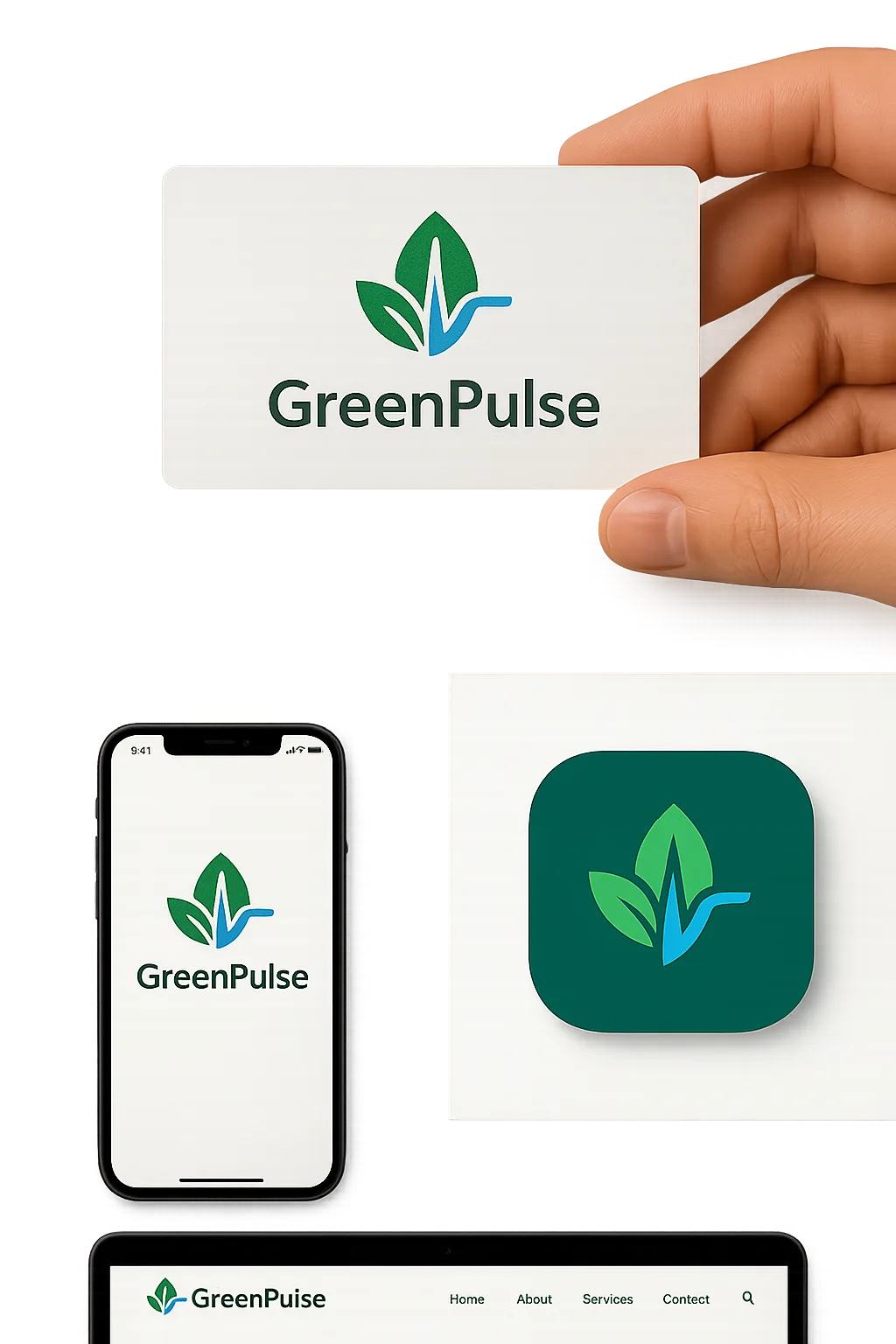
Take corporate identity creation. A designer can now have a fluid conversation with ChatGPT about brand values, target audience, and competitive landscape, then immediately generate and refine logo concepts, color palettes, and marketing materials within minutes instead of days.
Here's a prompt I put in: "Design a modern, minimalist logo for a sustainable technology startup called 'GreenPulse' that combines the concept of nature and digital innovation. Use the exact hex colors #3A7D44 (forest green) and #1ECBE1 (tech blue) with a transparent background. Then show this logo applied to a business card, mobile app icon, and website header as a cohesive brand identity suite"
What used to require specialized software, technical skills, and hours of work can now be accomplished through conversation. This doesn't mean designers will become obsolete—quite the opposite. This means the company can focus on a higher-level creative direction while using AI as its hyper-efficient production assistant.
Marketing's New Superpower
For marketing teams, this update is nothing short of transformative. I've spent years working with marketing departments struggling to produce enough visual content to feed the ever-hungry social media machine.
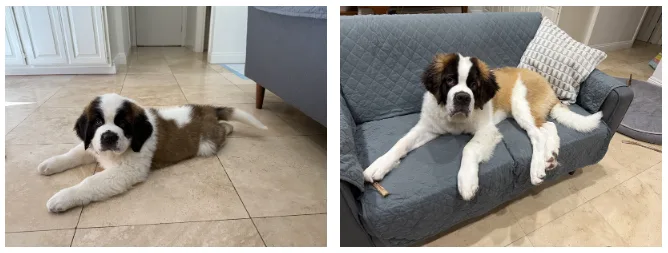
Here's another prompt I put in along with two photos. The first was my St. Bernard puppy at 10 weeks old, and the second of him at 20 weeks old: "Create an ad for a new puppy food called "Grow 'em big and fast!". Create a highly polished visual image that shows my St. Bernard puppy growing from the small little puppy a few weeks old to this larger version of him a five months old. Highlight the fact that it is nutritious and safe."
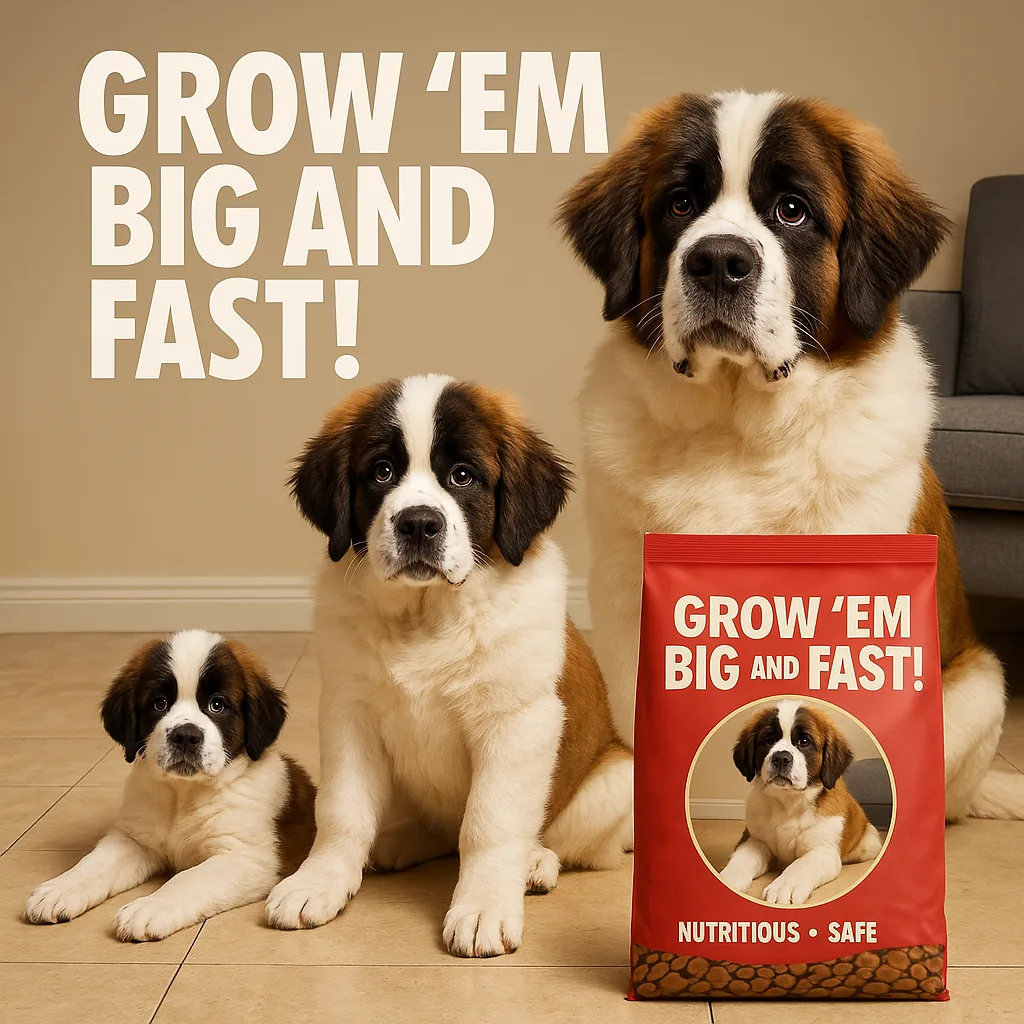
The ability to generate precisely customized images with specific aspect ratios, exact brand colors (using hex codes), and transparent backgrounds makes this a marketer's dream tool. A single marketing specialist can now produce an entire month's worth of social content in an afternoon.
What's particularly powerful is the iterative nature of the system. Marketing teams can upload existing visuals for analysis and then have the model incorporate key elements into new generations that maintain brand consistency while exploring fresh creative directions.
The Business Bottom Line
The real game-changer here is economics. What previously required multiple specialized roles—graphic designers, photographers, illustrators—can now be supplemented or enhanced by a single subscription.
For small businesses especially, this democratizes access to professional-quality visual content. A local restaurant can create stunning promotional images that would have cost hundreds or thousands of dollars just weeks ago.
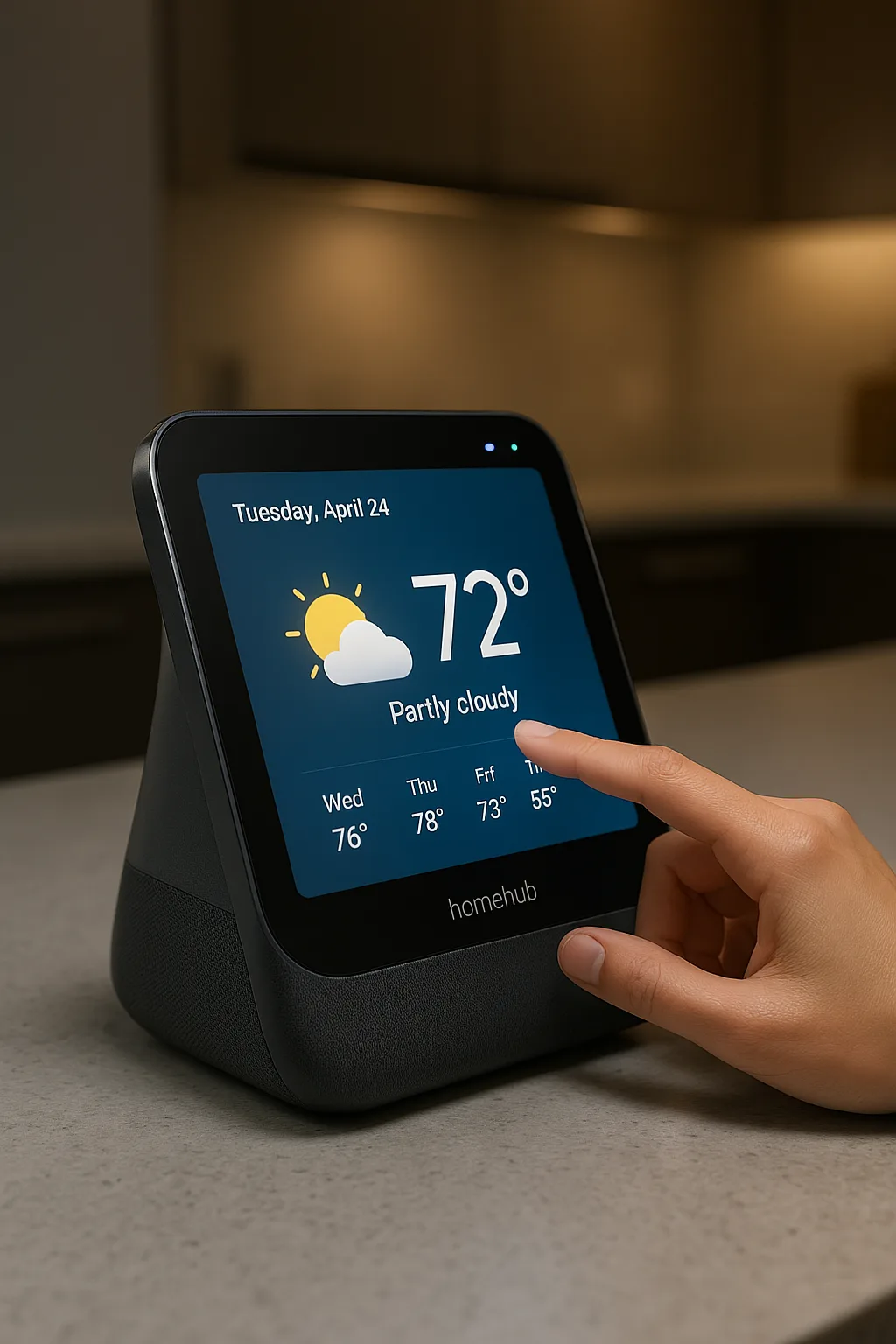
Another prompt example: "Create a photorealistic image of a next-generation smart home device called the 'HomeHub' that combines a touchscreen interface with voice control. Show it from a 3/4 angle on a modern kitchen counter with subtle ambient lighting. The device should have a sleek, curved design with a 7-inch display showing a weather widget. Include small status lights and a subtle company logo. Add a person's hand interacting with the screen to demonstrate scale."
For larger enterprises, the efficiency gains are substantial. Marketing campaigns that once took weeks to visualize can now be conceptualized in hours, allowing for more rapid testing and iteration.
The Human Element Remains Critical
Despite these advancements, I firmly believe the human element remains essential. The businesses that will extract the most value from this technology aren't those who use it to replace creative professionals but those who use it to amplify their capabilities.
The most effective approach I've seen is using ChatGPT's new image generation as a collaborative tool—where human creativity sets direction, and AI executes with precision and speed.
Looking Forward
We're entering an era where the bottleneck in business isn't technical capability but imagination. With tools like this new image generator, the question isn't "Can we create this?" but "What should we create?"
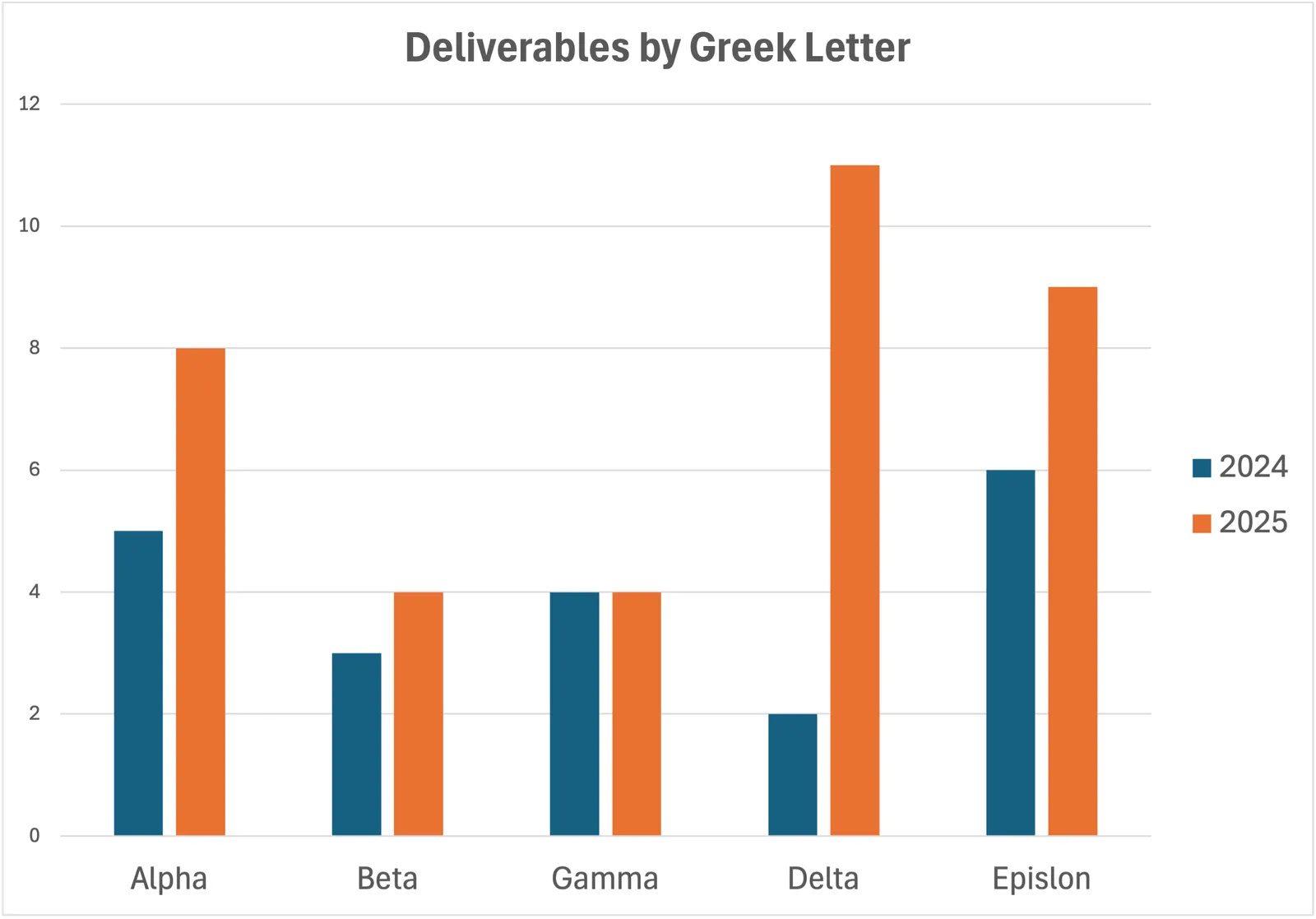
I decided to do one more prompt - could I turn a basic Excel chart into something professional-looking? Attached is the original chart I uploaded and the "Studio Ghibli" version. I was able to create it with just a few prompts. There are a few minor errors, but I can easily see where this is going.
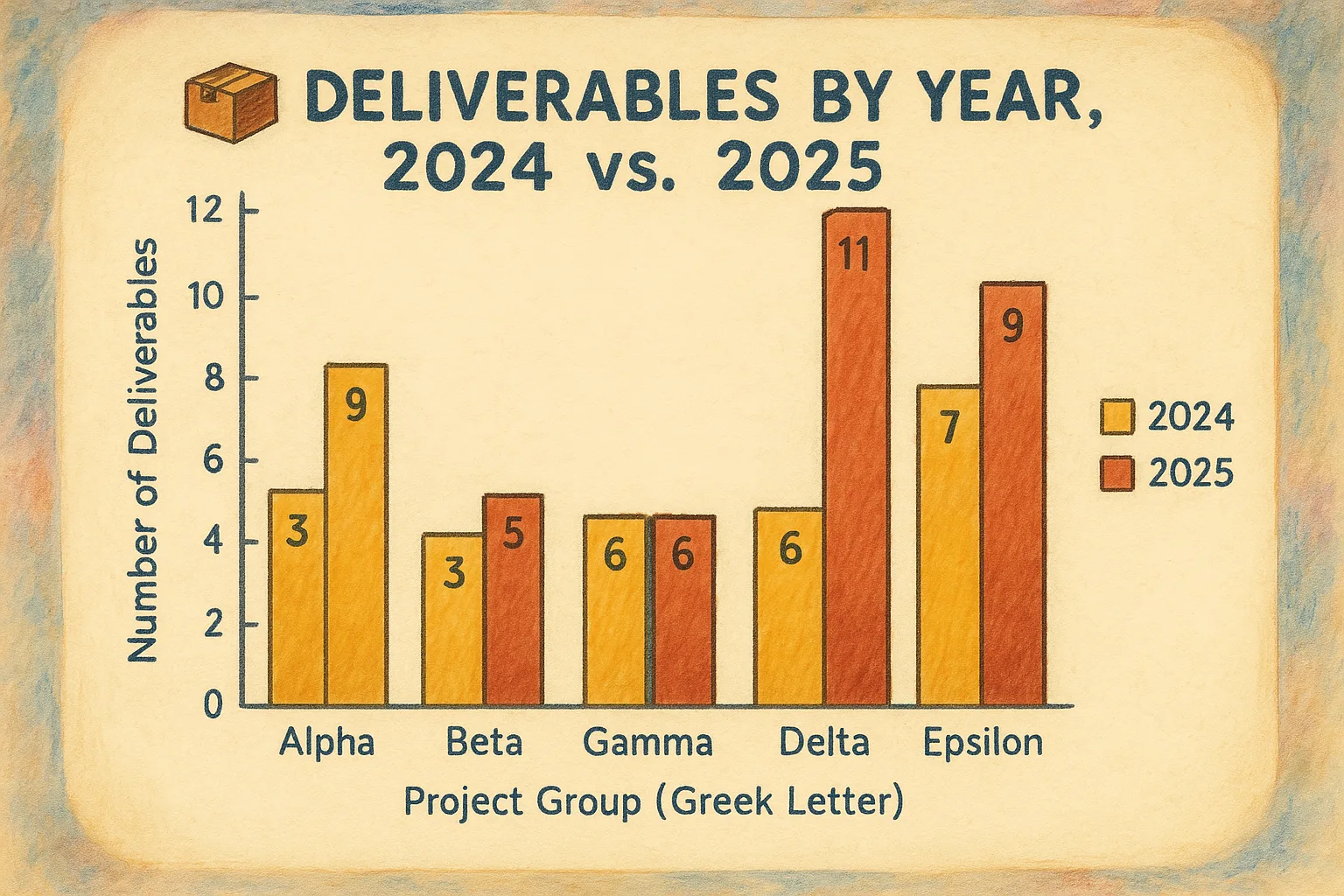
The competitive advantage will be substantial for businesses willing to embrace these tools thoughtfully—those who resist or dismiss them risk being left behind in an increasingly visual digital landscape.
The creative industry hasn't been eliminated—it's been supercharged. And that's why this week's release isn't just another AI update—it's a genuine game-changer.
Steve is a Senior Partner at NextAccess and has worked with hundreds of companies to understand and adopt AI in their organizations. He has worked extensively with services firms (law firms, PE firms, consulting firms).
Feel free to reach out via email: steve.smith@nextaccess.com
Want to talk about an AI workshop for your organization or get personal training? Grab a 15-minute slot on my calendar to discuss: https://calendar.app.google/3ctoTDUgtg71TQDG7